
Spiritual Items














Across civilizations, spiritual items have been part of human life for thousands of years. Whether used in daily prayer, meditation, rituals, or as personal symbols of faith, these sacred objects often carry deep emotional and cultural meaning.
From Rudraksha beads to Sphatik Shree Yantra, spiritual items are not just objects—they represent belief systems, traditions, and inner journeys. This guide explains their meaning, types, and uses in a clear and respectful way.
The Role of Spiritual Items in Daily Life
Spiritual items are used to support practices such as meditation, mantra chanting, prayer, and personal reflection. In many traditions, these objects serve as:
- Tools for focus and discipline
- Symbols of protection or devotion
- Cultural expressions of faith
- Reminders of spiritual goals
Their value lies less in material worth and more in symbolic and personal significance.
Rudraksha: Sacred Beads of Devotion
Rudraksha beads hold an important place in Hindu spiritual traditions. They are believed to originate from the seeds of the Elaeocarpus ganitrus tree and are commonly used for prayer and meditation.
Nepali Rudraksha
Nepali Rudraksha beads are generally larger, with well-defined mukhis (natural grooves or faces). They are often chosen for clarity of structure and traditional significance.
Indonesian Rudraksha
Indonesian Rudraksha beads are typically smaller and smoother in appearance. They are lighter in weight and often preferred for wearable malas due to comfort.
Rudraksha Mala
A Rudraksha mala is a string of beads used for chanting mantras. Traditionally, a mala contains 108 beads plus one guru bead.
Rudraksha Yugal
Rudraksha Yugal refers to two naturally joined beads, symbolizing unity and harmony. It is often kept for spiritual balance.
Jaap Mala: Tool for Mantra Meditation
Jaap Mala (also known as prayer beads) are used across multiple traditions for counting mantra repetitions. They may be made from Rudraksha, Tulsi, sandalwood, or gemstones.
Using a mala helps maintain focus and rhythm during meditation. The repetitive movement of beads can create a calming effect and support mindfulness.
Yantra: Sacred Geometric Diagrams
Yantras are geometric representations of spiritual energies. They are used in meditation and ritual practices to focus the mind.
Sphatik Shree Yantra
A Sphatik Shree Yantra is carved from clear quartz (Sphatik). It represents prosperity and harmony in traditional belief systems. The three-dimensional structure symbolizes balance between material and spiritual aspects of life.
Yantras are often placed in homes or prayer spaces as symbolic tools for concentration and reflection.
Stone Idols: Expressions of Devotion
Stone idols are sculpted representations of deities or sacred symbols. Crafted from natural stones, they are commonly used in temples and home altars.
The material itself—marble, quartz, or other stones—adds durability and natural beauty. For many people, the presence of a stone idol creates a sacred atmosphere within the home.
Kavach: Spiritual Protection Symbol
Kavach literally means “armor.” In spiritual contexts, it refers to pendants or talismans believed to provide protection. Kavach items may contain sacred symbols, mantras, or specific metals associated with traditional beliefs.
They are usually worn around the neck or kept close to the body.
Sphatik Items: Clarity and Simplicity
Sphatik (clear quartz crystal) is widely used in spiritual practices due to its transparent, pure appearance.
Common Sphatik items include:
- Sphatik mala
- Sphatik idols
- Sphatik Shree Yantra
- Crystal beads and bracelets
Sphatik is often chosen for meditation spaces because of its clean and neutral aesthetic.
Planetary Ittar: Fragrance and Tradition
Planetary Ittar refers to natural perfumes associated with planetary energies in Vedic astrology. Different fragrances are traditionally linked with different planets.
These attars are typically alcohol-free and made using natural extraction methods. They are used during prayer, meditation, or special rituals as part of sensory engagement in spiritual practice.
Carved Gemstones: Art and Symbolism
Carved gemstones combine artistry with symbolism. These stones may feature deity carvings, symbolic shapes, or spiritual motifs.
Unlike faceted gemstones used primarily in jewelry, carved gemstones are often kept as collectible or devotional items.
Zodiac Jewelry: Rings and Pendants
Astrology-inspired jewelry is worn by individuals who connect with zodiac traditions.
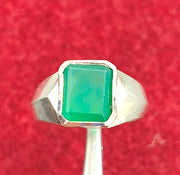
Zodiac Ring
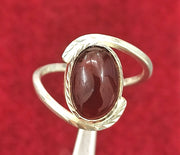
A zodiac ring may feature a gemstone traditionally associated with a particular zodiac sign. Some choose rings based on astrological charts, while others simply appreciate symbolic meaning.
Zodiac Pendant
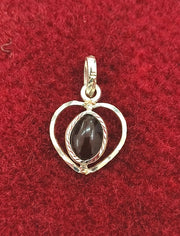
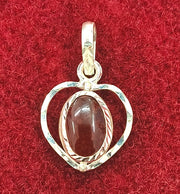
Zodiac pendants typically display a zodiac symbol or constellation design. They are often worn as personal identity symbols.
These items blend spiritual belief with personal style.
Silver Pendant: Simplicity and Versatility
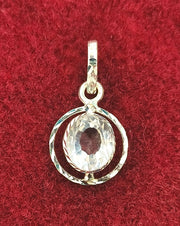
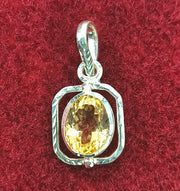
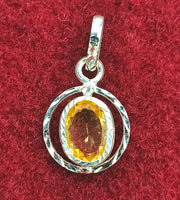
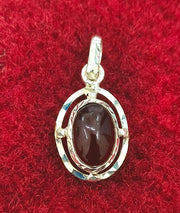
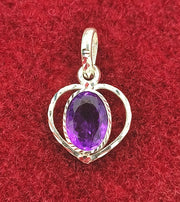
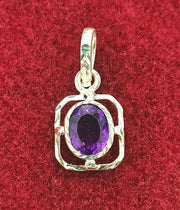
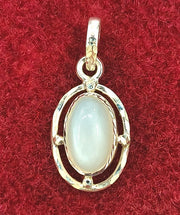
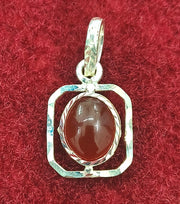
Silver pendants are commonly used to hold spiritual symbols, gemstones, or sacred engravings. Silver is widely appreciated for its durability and neutral tone, making it suitable for daily wear.
Many spiritual pendants—such as Kavach or zodiac designs—are set in silver for both aesthetic and traditional reasons.
Choosing the Right Spiritual Item
When selecting spiritual items, consider:
- Personal Belief System – Choose items aligned with your faith or philosophy.
- Purpose – Meditation, decoration, symbolic wear, or ritual use.
- Material – Natural materials often carry traditional significance.
- Comfort – For wearable items like mala or pendants, ensure practical comfort.
The most meaningful spiritual item is often the one that resonates personally rather than following trends.
Care and Respect
Spiritual items are usually handled with care and respect. Common practices include:
- Keeping them in clean spaces
- Avoiding exposure to harsh chemicals
- Storing malas in cloth pouches
- Cleaning crystal items gently with a soft cloth
Maintenance is not just about preservation—it reflects reverence.
Final Thoughts
Spiritual items such as Indonesian and Nepali Rudraksha, Jaap Mala, Yantras, Sphatik Shree Yantra, Zodiac rings, stone idols, and silver pendants hold meaning beyond their physical form. They are part of cultural traditions, personal devotion, and inner exploration.
Whether used daily or occasionally, these items serve as reminders of intention, mindfulness, and spiritual identity. Their significance ultimately comes from the connection an individual forms with them.
FAQs
1. What is the difference between Nepali and Indonesian Rudraksha?
Nepali Rudraksha beads are usually larger with deeper grooves, while Indonesian beads are smaller and smoother in appearance.
2. How is a Jaap Mala used?
A Jaap Mala is used to count mantra repetitions during meditation, typically consisting of 108 beads and one guru bead.
3. What is a Sphatik Shree Yantra?
It is a sacred geometric structure carved from clear quartz crystal, traditionally associated with harmony and prosperity.
4. Can zodiac rings be worn daily?
Yes, zodiac rings are often designed for daily wear, especially when set in durable metals like silver.
5. What is a Kavach pendant?
A Kavach pendant is a symbolic protective talisman that may contain sacred inscriptions or symbols.
6. Are planetary attars alcohol-free?
Most traditional planetary attars are natural and alcohol-free, made using botanical extraction methods.
7. How should spiritual items be stored?
They should be kept clean, stored respectfully, and protected from damage or harsh chemicals.