
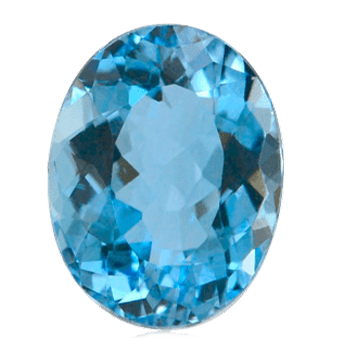
Aquamarine
Aquamarine Stone
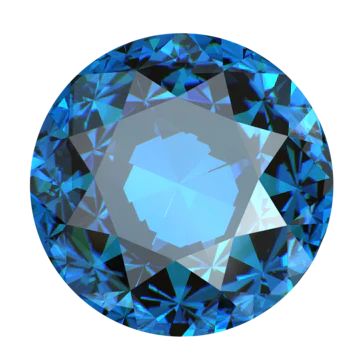
Blue Topaz
Blue Topaz
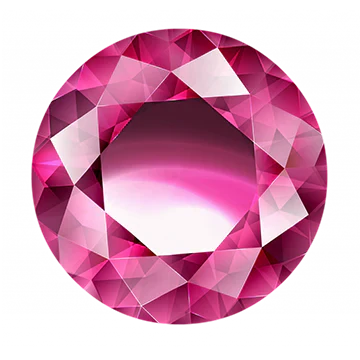
Pink Tourmaline
Pink Tourmaline
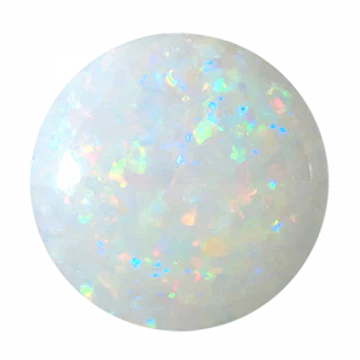
Opal
Opal Stone
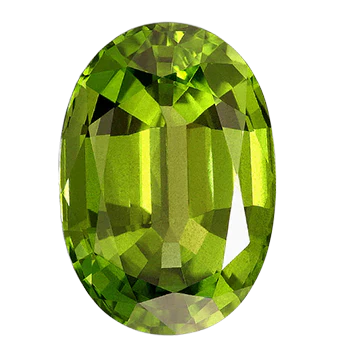
Peridot
Peridot Stone
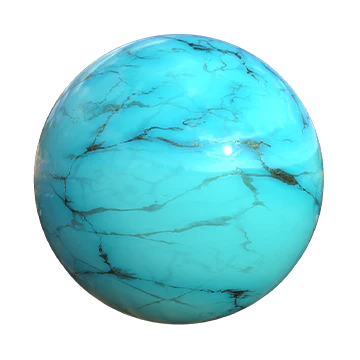
Turquoise
Feroza

Aquamarine Stone
Blue Topaz
Pink Tourmaline
Opal Stone
Peridot Stone
Feroza
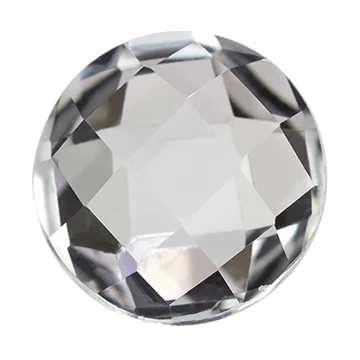
White Topaz Stone
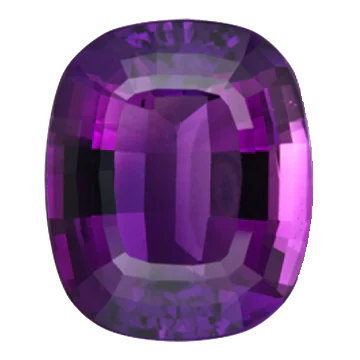
Kateala
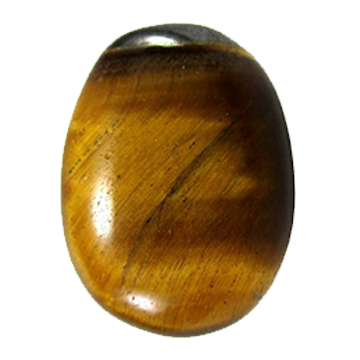
Tiger Eye
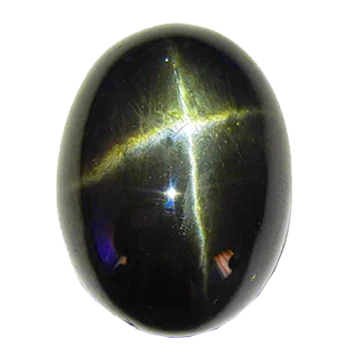
Black Star
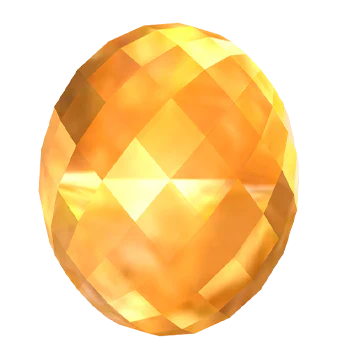
Sunehla
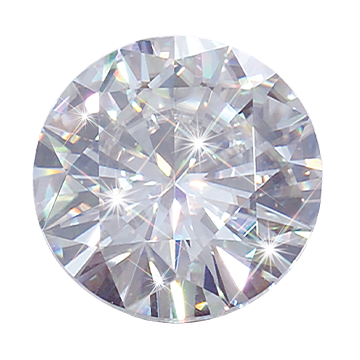
Zircon Stone
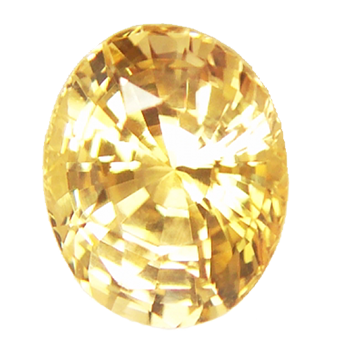
Lemon Topaz Stone
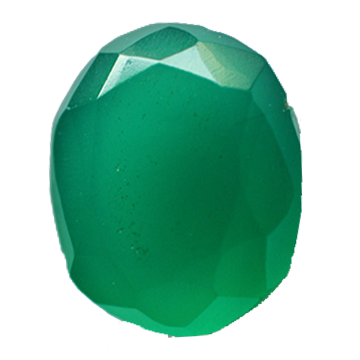
Green Onyx Stone
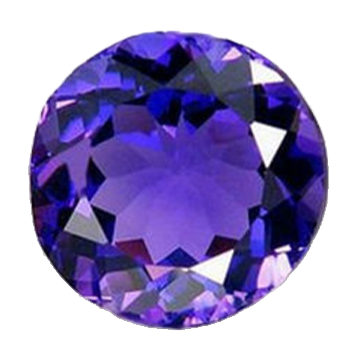
Kaka Neeli
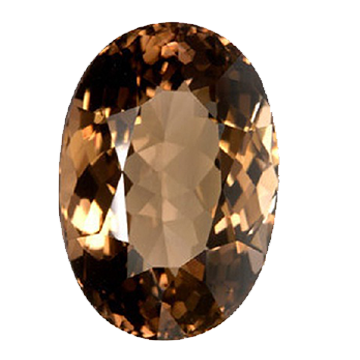
Dhunela
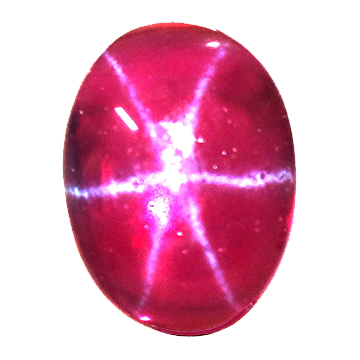
Star Ruby Stone
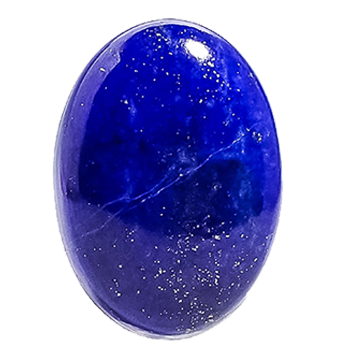
Lapis Lazuli Stone
Semi precious gemstones have fascinated humanity for centuries. Long before modern jewelry design and gemstone certification existed, people collected, traded, and cherished these colorful stones for their beauty, symbolism, and perceived healing properties. From royal ornaments to everyday accessories, semi precious gemstones continue to hold cultural and aesthetic value across the world.
But what exactly makes a gemstone “semi precious”? And how should you choose one?
This guide explains everything in a clear, practical, and human way—without hype or exaggerated claims.
Traditionally, gemstones were divided into two categories: precious and semi precious. Precious stones typically included diamond, ruby, sapphire, and emerald. All other natural gemstones were grouped under “semi precious.”
However, this classification is largely historical and not based on scientific ranking. Many so-called semi precious stones can be rare, valuable, and highly durable. Today, the distinction is more commercial than geological.
Semi precious gemstones are natural minerals (and sometimes organic materials) that are cut and polished for use in jewelry, decoration, or collection.
Here are some widely known semi precious stones and what makes them distinctive:
A purple variety of quartz, amethyst ranges from pale lavender to deep violet. It has been associated with clarity and calmness for centuries.
Known for its soft blue tones, aquamarine resembles the color of clear seawater. It is admired for its transparency and soothing appearance.
An opaque blue-green stone with unique veining patterns. Turquoise has been used in jewelry and protective talismans in many cultures.
A bright green peridot gemstone formed deep within the Earth’s mantle. Its lively color makes it popular in both modern and vintage jewelry.
A warm yellow to golden quartz stone. Citrine cheerful color makes it a common choice for rings and pendants.
Available in light sky blue to deep London blue shades. It is durable and widely used in contemporary designs. Buy here!
Often associated with deep red hues, garnet also appears in green, orange, and pink varieties.
A golden-brown stone with a silky, reflective band that moves in the light (a phenomenon called chatoyancy). Buy now!
Opals are famous for their shifting play-of-color, displaying flashes of rainbow tones under light.
A deep blue stone often flecked with golden pyrite. It has been prized since ancient times for carvings and jewelry. Check here!
Most semi precious stones are minerals formed through geological processes over millions of years. They can originate from:
Organic stones like amber (from fossilized tree resin) are formed differently but are often grouped within the semi precious category.
Gemstone durability is usually measured using the Mohs scale of hardness, which ranks minerals from 1 (softest) to 10 (hardest).
Harder stones are generally more scratch-resistant, making them suitable for daily wear rings. Softer stones are better suited for earrings or pendants.
Durability depends not just on hardness but also on toughness and stability.
People are drawn to semi precious stones for various reasons:
They come in an extraordinary range of colors, patterns, and textures. Unlike diamonds, which are mostly colorless, semi precious stones offer vibrant personality.
They often provide an accessible way to own natural gemstones without the higher price associated with traditionally “precious” stones.
Many stones carry cultural or historical meanings. While these associations vary, they add emotional value for wearers.
Each stone is unique. Variations in inclusions, color zoning, and patterns mean no two stones are exactly alike.
Choosing a gemstone is both personal and practical. Consider:
Select a shade that complements your skin tone or wardrobe.
For everyday rings, choose harder stones like topaz or quartz. For occasional jewelry, softer stones may be suitable.
Some people prefer clear stones, others love opaque or patterned gems.
Oval, round, cushion, pear—cut influences sparkle and visual size.
Many gemstones are heat-treated or enhanced to improve color and clarity. This is common and accepted in the industry, but transparency about treatments is important.
Proper care extends the life and appearance of your gemstone jewelry.
Value depends on rarity, color quality, clarity, size, and demand. Some semi precious stones can be quite valuable, especially fine-quality specimens with exceptional color and clarity.
The term “semi precious” does not automatically mean low value. It simply reflects traditional classification.
As interest in responsible sourcing grows, consumers are increasingly aware of where gemstones come from. Ethical mining practices, fair labor conditions, and environmental responsibility are important considerations.
Buying from transparent sellers who disclose origin and treatments can help ensure more responsible choices.
Semi precious gemstones offer diversity, character, and natural beauty. Whether you’re drawn to the calming purple of amethyst, the ocean blue of aquamarine, or the earthy tones of tiger eye, these stones provide meaningful and aesthetic value.
Rather than focusing on labels like “precious” or “semi precious,” it is more helpful to consider durability, personal style, and how a stone makes you feel. After all, gemstones have always been about human connection—to nature, to culture, and to self-expression.
The distinction is traditional rather than scientific. Precious stones historically include diamond, ruby, sapphire, and emerald. All other gemstones are classified as semi precious, though many are equally rare or beautiful.
Yes. Semi precious stones are natural minerals or organic materials formed through geological processes, just like precious gemstones.
Stones with higher hardness, such as quartz varieties (amethyst, citrine) or topaz, are generally more suitable for daily wear compared to softer stones like turquoise or opal.
Many cultures associate gemstones with symbolic or healing properties. However, such beliefs are traditional and not scientifically proven.
Gemological testing by certified professionals is the most reliable way. Visual inspection alone is often not sufficient.
They are generally more affordable than traditionally classified precious stones, though high-quality specimens can still be valuable.
Use mild soap, lukewarm water, and a soft cloth or brush. Avoid harsh chemicals and ultrasonic cleaners for delicate stones.